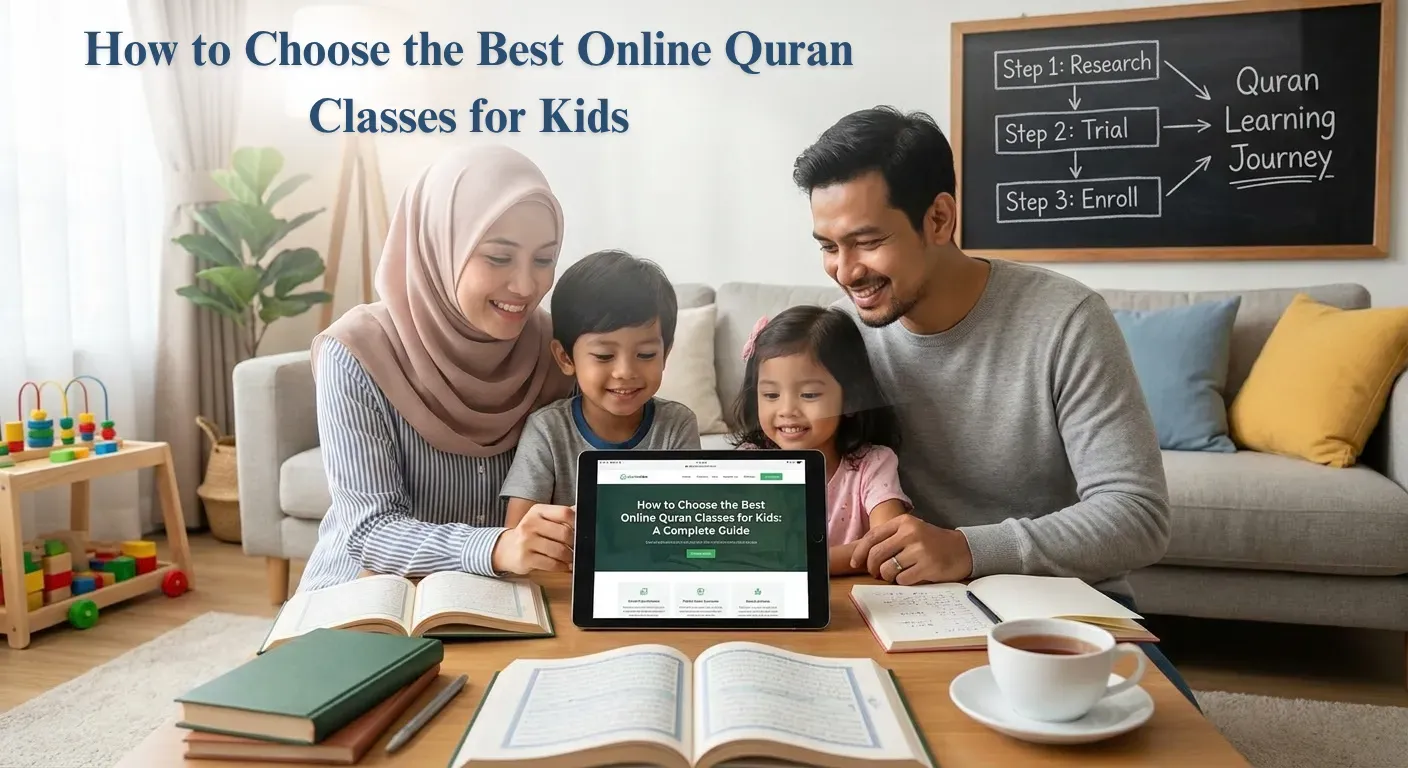
Every Muslim parent wants their child to read the Quran with love, proper pronunciation, and understanding. However, finding the right local teacher can be challenging because of busy schedules, long commutes, and limited options. Thankfully, online Quran classes make learning more accessible, allowing children to connect with qualified teachers from home. But with so many academies available, how can parents choose the right one? In this guide, we’ll explore what to look for in the best online Quran classes for kids, from qualified teachers and engaging lessons to flexible schedules and a safe learning environment.
Before we discuss how to choose an academy, let us look at why online learning is a fantastic option for modern Muslim families.
In the past, parents had to drive their children to the local mosque or Islamic center. Classes were often large. One teacher had to manage twenty or more students at the same time. In these settings, children rarely received the individual attention they needed to master complex Arabic sounds.
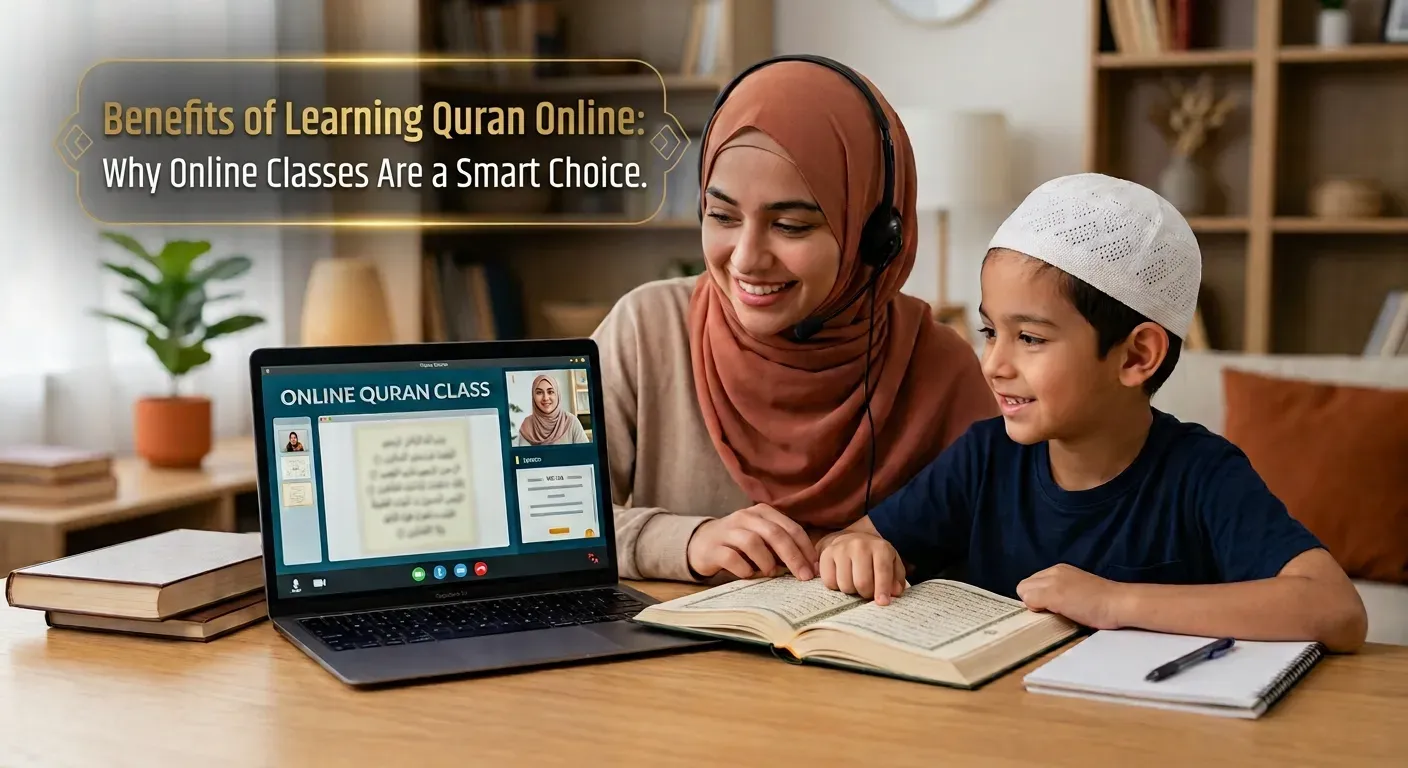
Online Quran learning changes everything. Here are the top benefits of moving your child's Islamic education online:
One-on-One Attention: Online classes usually offer private, one-on-one sessions. The teacher focuses entirely on your child. If your child struggles with a specific letter, the teacher can spend extra time on it without holding back a whole class. Research from educational authorities often highlights that personalized tutoring drastically improves a child's learning speed and confidence.
Ultimate Convenience: You save hours of driving time each week. Your child learns from the comfort and safety of your home.
Global Access to Experts: You no longer depend only on the teachers available in your city. Online platforms connect you with native Arabic speakers and certified scholars from around the world.
Comfortable Environment: Children feel more relaxed at home. A comfortable child is more willing to ask questions and make mistakes, which is a vital part of the learning process.
"The best among you are those who learn the Quran and teach it." — Sahih Al-Bukhari
This beautiful Hadith reminds us of our duty. Using modern technology to fulfill this duty is one of the greatest blessings of our time.
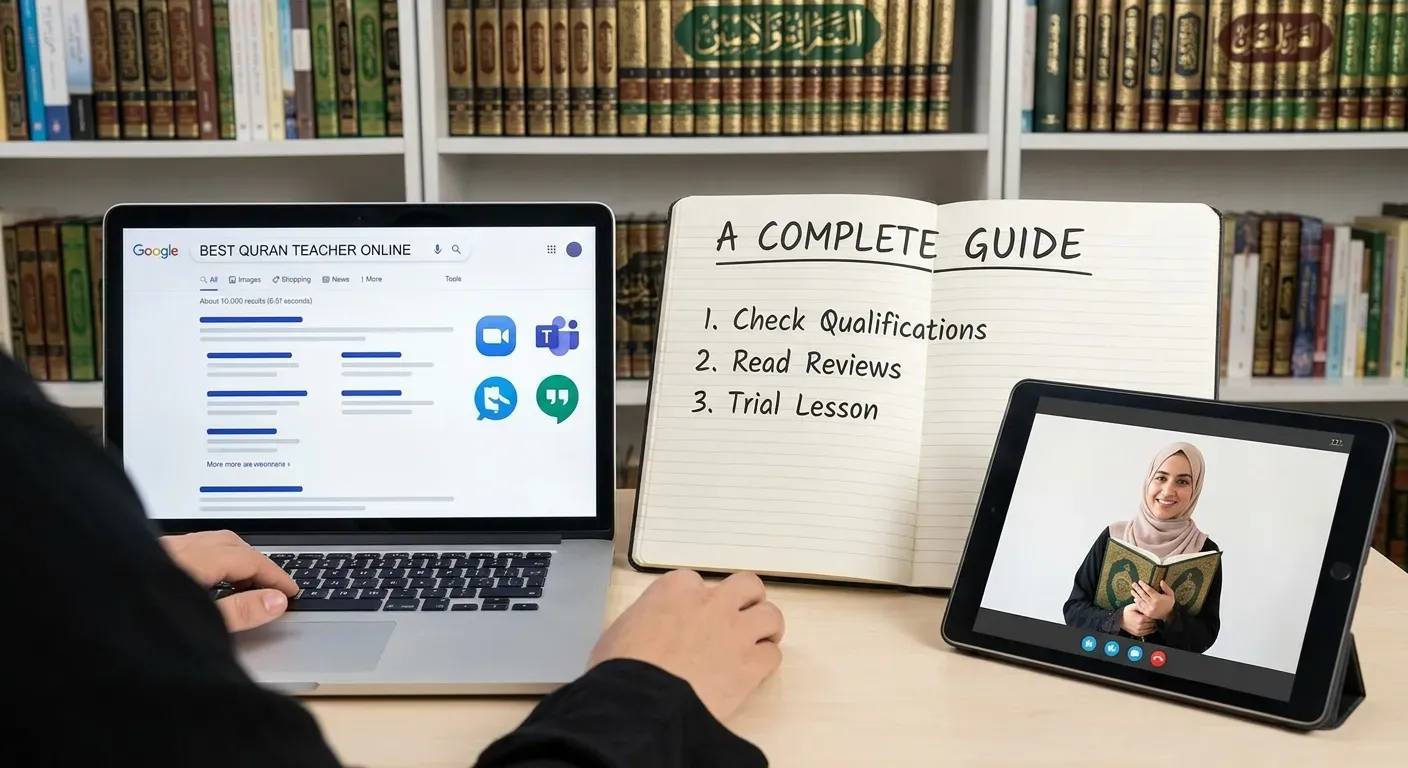
Choosing an online academy requires careful thought. You cannot just pick the first website you find on a search engine. You need to ensure the academy meets specific standards.
When you search for the best online Quran classes for kids, look closely at the following six essential factors.
The teacher is the heart of the learning experience. A good teacher inspires a child, while a harsh or untrained teacher can push a child away from the Quran.
When you evaluate an academy, ask about their hiring process. You want teachers who hold an Ijaza (a certified chain of transmission reaching back to Prophet Muhammad, peace be upon him). An Ijaza proves that the teacher recites the Quran perfectly.
However, knowing the Quran is not enough. The teacher must also know how to teach children. Teaching a seven-year-old requires a completely different approach than teaching an adult. Look for academies that train their tutors in child psychology. The best teachers use patience, positive reinforcement, and a warm smile to build a strong bond with your child.
Children have short attention spans. If a class consists only of a teacher talking at a screen for thirty minutes, your child will quickly lose interest. The best online Quran classes for kids use interactive tools to keep students engaged.
Ask the academy about their virtual classrooms. Do they use digital whiteboards? Do they include educational games, colorful slides, and interactive quizzes? A high-quality online Quran academy invests in technology that makes learning fun. When a child views their Quran class as a fun activity rather than a strict chore, their progress skyrockets.
Tajweed refers to the rules of proper Quranic pronunciation. The Arabic language is highly sensitive. Changing the sound of one letter can completely change the meaning of a word. Therefore, learning correct Tajweed from day one is essential.
It is much harder to correct bad pronunciation later in life. The best academies introduce basic Tajweed rules naturally, even during early beginner lessons. They use native Arabic speakers or highly trained tutors who can model the exact tongue and lip placements required for tricky Arabic letters.
You can also read about: Simplified Rules of Tajweed
Modern families juggle school, sports, homework, and family time. Your online Quran class should fit into your life, not complicate it.
Top-rated academies offer 24/7 scheduling. Whether you want classes early in the morning before school or on weekend afternoons, the academy should accommodate your routine. Furthermore, look for flexible cancellation and rescheduling policies. Kids get sick, and unexpected family events happen. You want an academy that understands this and allows you to easily reschedule a missed lesson.
Safety is every parent's top priority. When you bring an online tutor into your home via a screen, you must ensure the platform is secure.
Professional academies screen their teachers strictly. They perform background checks and monitor the classes regularly to maintain quality and safety.
Important Note for Parents: Always ensure the academy allows you to sit in on the classes or provides recorded sessions for you to review. Transparency is a strong sign of a trustworthy educational platform.
How do you know if your child is actually learning? You need regular updates. The best programs provide weekly or monthly progress reports. These reports should highlight what your child learned, where they excel, and what areas need more practice. Regular communication between the parents and the academy creates a strong support system for the child.
Most reputable academies offer a free trial lesson. You should always take advantage of this offer. A trial lesson gives you a risk-free opportunity to evaluate the teacher and the technology.
Here is a checklist of things to watch during the trial lesson:
Punctuality: Did the teacher arrive on time?
Audio and Video Quality: Is the connection clear? You cannot learn Tajweed if the audio keeps cutting out.
The Teacher's Tone: Does the teacher smile? Do they use an encouraging voice?
Student Engagement: Watch your child's face. Do they look interested or bored? Are they participating?
Correction Style: When your child makes a mistake, how does the teacher correct them? The best teachers correct gently without making the child feel embarrassed.
After the trial, sit down with your child. Ask them how they felt. If your child feels happy and comfortable, you have likely found a great match.
Once you choose an academy, you will need to select a specific curriculum. High-quality platforms like QuranWeb Academy offer structured paths tailored to different age groups and experience levels.
Here are the most common courses designed for kids:
If your child does not know the Arabic alphabet yet, this is where they must start. The Noorani Qaida course breaks down the Arabic letters, vowels, and basic joining rules. It acts as the ultimate building block. A strong foundation in Noorani Qaida ensures that your child will read the actual Quran fluently later on.
Once your child finishes the Qaida, they move on to reading the Quran while looking at the text. This course focuses on fluency. The teacher helps the child read smoothly, apply basic Tajweed rules, and understand the rhythm of the verses.
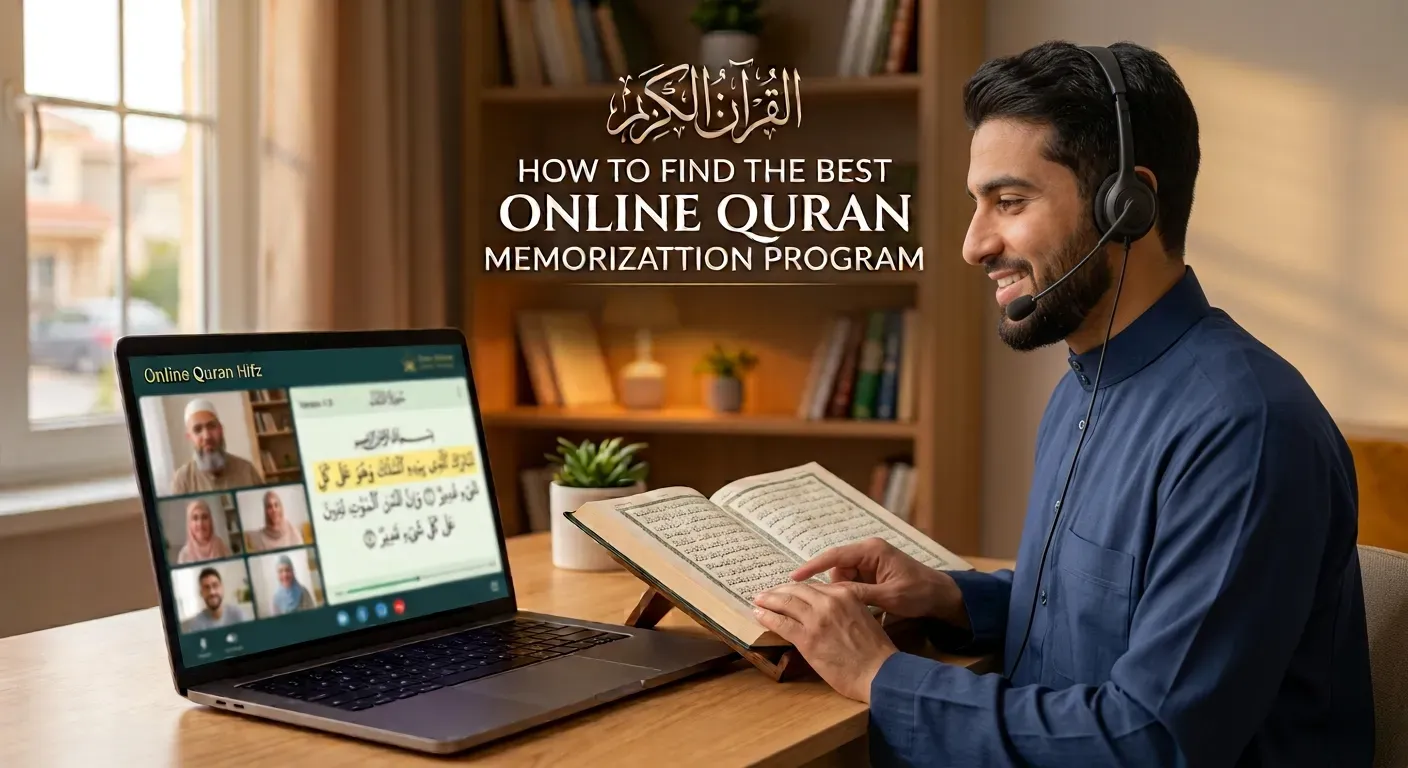
Many parents dream of their child becoming a Hafiz (someone who memorizes the entire Quran). An online Hifz program requires dedication, consistency, and a highly structured revision plan. Expert online tutors break the memorization process into small, manageable daily goals. They teach memorization techniques that prevent the child from forgetting older lessons. If you are interested in this path, check out dedicated Quran memorization to see how structured plans work.
Learning to read Arabic is just one part of the journey. Children also need to understand their faith. Many academies offer basic Islamic studies alongside Quran reading. These classes cover daily Duas, the stories of the Prophets, basic manners (Akhlaq), and how to perform Wudu and Salah.
Finding the best online Quran classes for kids is only the first step. Your child still needs your active support at home to succeed. Online learning requires a specific setup to work perfectly.
Here are five ways you can help your child get the most out of their online lessons:
Do not set up the computer in the middle of a noisy living room where the television is on. Create a dedicated learning corner. Use a proper desk and chair. When your child sits in this specific spot, their brain will instantly know it is time to focus on learning.
Laptop speakers and built-in microphones are often poor quality. Buy your child a comfortable headset with a noise-canceling microphone. This equipment allows the teacher to hear your child's pronunciation perfectly, which is absolutely vital for correcting Tajweed mistakes.
Children thrive on routine. Try to schedule the Quran classes at the same time every day or week. For example, if your child always has their lesson at 5:00 PM on Tuesdays and Thursdays, it becomes a normal part of their life. You will avoid arguments because the child already knows what to expect.
Learning a new language and memorizing complex verses is hard work for a young brain. Celebrate their small victories. Create a sticker chart. When they finish a chapter of the Qaida or memorize a new Surah, reward them. You can offer an extra hour of playtime, a favorite meal, or a small toy. Positive reinforcement builds a lifelong love for the Quran.
After the class ends, ask your child what they learned. Ask them to recite the new verse for you. When you show excitement about their progress, they feel proud. You can also read helpful related articles together to discover new ways to bring Islamic habits into your daily family life.
You can also read about: Best Quran Teacher Online
Expert Tip: According to educational experts from organizations like Edutopia, parental involvement in a child's early education is one of the strongest predictors of long-term academic success. The same rule applies to Islamic education.
When you invest time in choosing the best online Quran classes for kids, you are doing more than just teaching them to read a book. You are shaping their character.
The Quran brings peace to the heart. It teaches morality, patience, and gratitude. By connecting your child with a loving, professional teacher, you give them a spiritual anchor that will protect them throughout their entire life. They will grow up viewing the Quran not as a difficult textbook, but as a comforting companion.
Furthermore, learning the Quran enhances general cognitive abilities. Memorization strengthens memory muscles. Understanding complex Tajweed rules improves focus and discipline. These skills easily transfer over to their regular schoolwork, helping them succeed in all areas of life.
Choosing the right educational path for your child is a big responsibility, but it does not have to be overwhelming. When looking for the best online Quran classes for kids, remember to prioritize certified teachers, engaging methods, strong Tajweed foundations, and a safe environment.
Do not rush the process. Read reviews, check the curriculum, and always book a free trial lesson to see how your child reacts. With patience and the right support at home, your child will embark on a beautiful, lifelong journey with the Holy Quran.
Are you ready to give your child the gift of the Quran? Start your journey today with a trusted platform that puts your child's education and well-being first. May Allah bless your efforts, make the learning journey easy for your children, and fill your home with the beautiful light of the Quran.
Parents usually have many questions before signing their children up for online classes. Here are detailed answers to the most common concerns.
Most experts agree that children can start learning the basics of the Arabic alphabet between the ages of 4 and 5. At this age, their brains absorb new sounds incredibly fast. However, do not worry if your child is older. It is never too late to start. The key is to match the teaching style to the child's age.
For kids under the age of eight, a 30-minute class is perfect. Young children cannot focus on a screen for much longer than that. Pushing them for an hour might cause frustration. For older children (ages 10 and up), 45- to 60-minute sessions usually work well, especially if they are doing Hifz.
Absolutely! Millions of non-Arab children successfully learn to read and memorize the Quran online. Professional academies design their beginner courses specifically for non-Arabic speakers. The teachers use simple English instructions to guide the child step-by-step.
Yes, and in many cases, it is more effective. Traditional Madrassas often suffer from overcrowding. An online class provides one-on-one focus. The teacher caters the pace entirely to your child. If your child needs a week to master a specific rule, the teacher waits. If they learn quickly, the teacher moves ahead. This customized pace prevents the child from feeling left behind or held back.
While you can use a tablet or a modern smartphone, a laptop or desktop computer is highly recommended. A larger screen makes it much easier for the child to see the digital whiteboard, read the Arabic text clearly, and interact with the teacher.