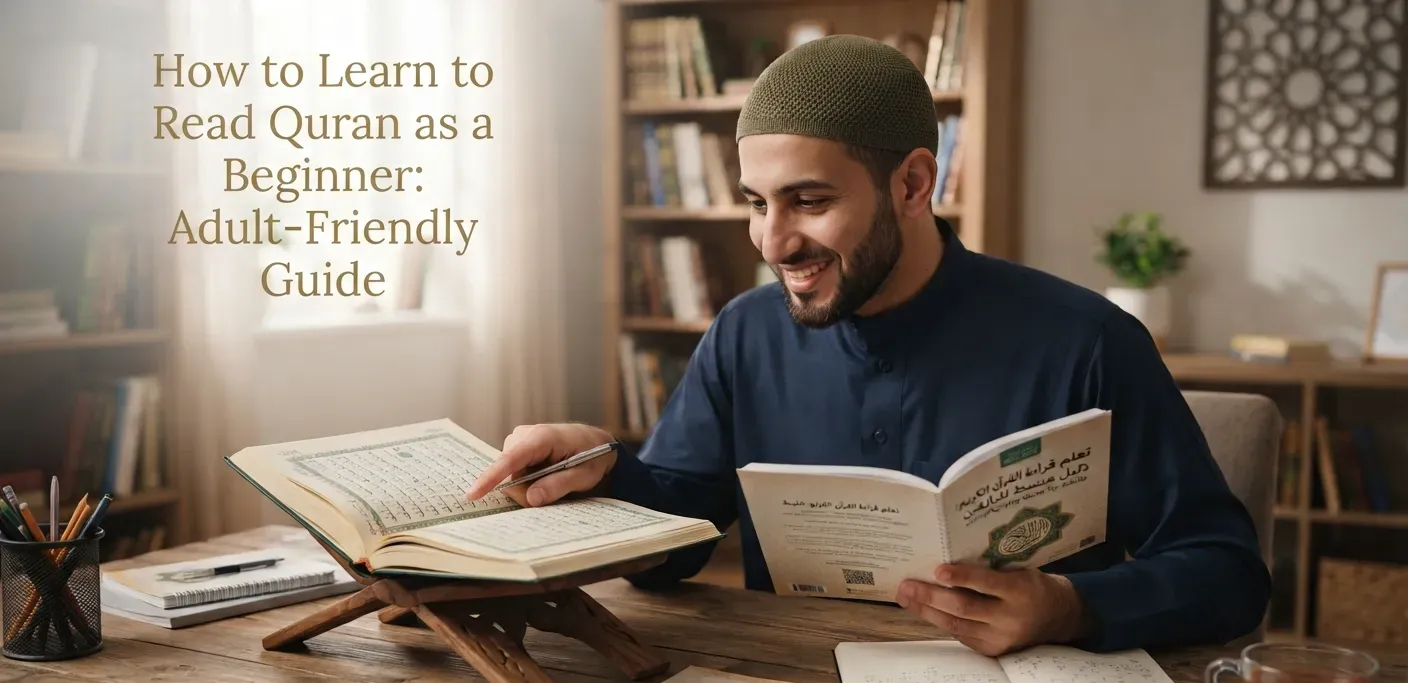
Never learned Quran as a child? Start today with a beginner-friendly path built for adult learners — no experience needed.
One of the biggest hesitations adults face before they learn to read Quran as beginners is a quiet feeling of embarrassment: shouldn't I have learned this as a child? This feeling is extremely common, and it stops many capable adults from ever starting a Quran reading course. The reality is that adult students often progress faster than children in certain respects, because they can understand and apply the rules of Tajweed logically rather than relying purely on repetition.
There is no age limit on learning to read the Quran, and no qualified Quran teacher will make an adult beginner feel otherwise. Many students who start later in life bring stronger focus and motivation than they expect, precisely because they've chosen to start deliberately rather than as a childhood obligation. Whether you're 25 or 65, the learning path — from recognizing Arabic letters to reading fluently — follows the same proven structure.
Reading Arabic script for Quran recitation involves three layers that build on each other. Each layer is manageable on its own; the mistake most self-taught beginners make is trying to absorb all three at once, often using apps or YouTube videos without a structured method like the Noorani Qaida, which has guided beginners through these exact steps for generations.
The Arabic alphabet has 28 letters, each with its own sound and shape. This is always the starting point of any beginner Quran course, and it typically takes 2-4 weeks to recognize all letters confidently in isolation.
Arabic letters change shape depending on their position in a word — at the beginning, middle, or end. This is often the step that confuses self-taught beginners the most, because a letter you memorized in isolation can look completely different once it's joined to others.
Harakat are the small marks above and below letters that tell you how to pronounce each one, the difference between "ba," "bi," and "bu," for example. Learning harakat is also where students begin to grasp the basics of correct Makhraj (the precise articulation point of each letter in the mouth and throat), which is essential for accurate Quran recitation later on.
These three goals are often confused, but they're separate skills learned in a specific order:
Reading is decoding the Arabic script and pronouncing it correctly according to Tajweed rules.
Understanding is knowing the meaning of what you're reading, usually through translation and Tafsir.
Memorizing (Hifz) is retaining the text so you can recite it without looking.
Most beginners should focus purely on reading first. Understanding and memorization become significantly easier once reading is fluent and automatic; trying to memorize before you can read independently often leads to relying on sound alone, which makes errors harder to catch.
Structured recitation playback tools and Tajweed rule-explanation resources are useful between live sessions for reinforcing what a teacher has already introduced — hearing correct pronunciation repeated, and reviewing letter shapes you found difficult. Their role is reinforcement, not replacement: they help you rehearse what's already been taught, but they can't tell you when your own reading has drifted from correct pronunciation, which is a common issue that goes unnoticed without a teacher's ear.
The right point to bring in a live teacher is right at the start, not after you feel "ready." Waiting until you're more confident often means you've already built pronunciation habits that need to be unlearned later — and unlearning a habit almost always takes longer than learning it correctly the first time. A short weekly session from day one, even just 20-30 minutes, is enough to keep your pronunciation on track from the very beginning.
Our Learn to Read Quran course is built specifically around this adult-friendly, judgment-free approach, with a placement assessment so you start at exactly the right level — whether that's the very first letter or a refresher on Tajweed rules you learned long ago.
It's common for adult beginners to feel embarrassed making mistakes out loud, especially in the first few sessions. Experienced teachers who specialize in adult beginners are accustomed to this and typically structure early lessons to build comfort gradually — starting with very short, familiar passages like Surah Al-Fatiha before increasing length or difficulty. This adjustment period is a normal, expected part of the process, not a sign of being behind.
Most adult beginners move through four recognizable stages:
Weeks 1-4: Focused purely on letters and their joined (connected) shapes.
Weeks 4-6: Incorporating harakat and short word reading.
Weeks 6-10+: Building fluency on short surahs with ongoing teacher correction.
Months 3-4: Comfortable, largely independent reading with occasional Tajweed refinement.
Total time to comfortable, independent reading is typically 2-4 months for someone practicing consistently, though this varies based on how much time is dedicated weekly and prior familiarity with Arabic script.
Not every qualified Quran teacher has specific experience teaching adult beginners — some specialize primarily in children, or in more advanced Tajweed and Ijazah-level refinement. When arranging a trial lesson, it's worth asking directly about the teacher's experience with adult beginners specifically, since the pacing, tone, and teaching style that works well for a child does not always translate smoothly to an adult learner starting from zero.
Learn to read the Quran with specialized teachers
Whatever hesitation brought you to this page — timing, confidence, or simply not knowing where to begin — the path itself is straightforward once you start. Adults who begin learning to read the Quran consistently find that the process gets easier far faster than they expected once the first few weeks are behind them.
Can I learn to read Quran as an adult if I never learned as a child? Yes, absolutely. Many adults successfully learn to read the Quran for the first time, and structured lessons with a qualified teacher work well regardless of age or background.
What's the difference between reading and memorizing Quran? Reading is the ability to decode and pronounce the Arabic text correctly, while memorizing (Hifz) is retaining the text so you can recite it without looking. Reading fluency is typically learned first, as it makes memorization significantly easier afterward.
Is it embarrassing to learn Quran reading as an adult beginner? No — it's an extremely common starting point for adults, and qualified teachers are experienced in teaching adult beginners specifically, with no judgment involved.
How many sessions per week are needed to see real progress as an adult beginner? Two to three short sessions per week (20-30 minutes each) with consistent practice in between typically produces steady, noticeable progress within the first month — more reliably than fewer, longer sessions spaced further apart.
What is Tajweed, and do I need to learn it right away? Tajweed is the set of rules governing correct Quran pronunciation, including Makhraj (articulation points) and letter characteristics. Beginners don't need to master Tajweed on day one — it's introduced gradually once basic letter and harakat reading is solid.
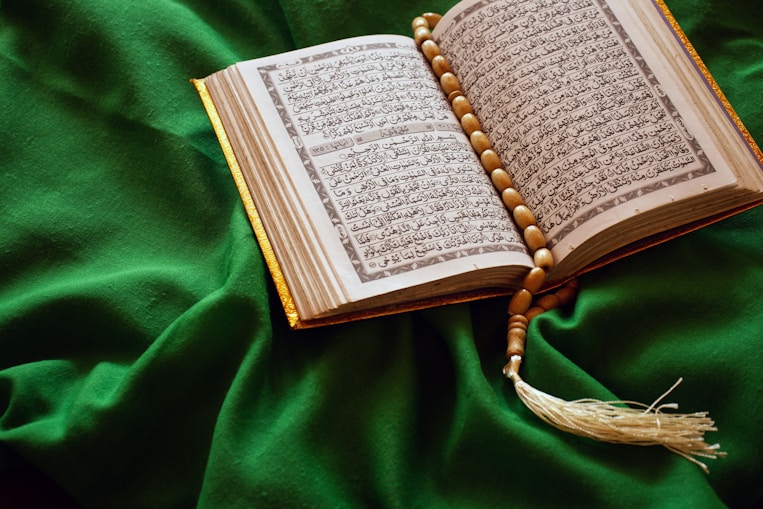
Memorizing the Quran is a deeply rewarding spiritual journey, but it also requires dedication, consistency, and effective strategies. Here are 10 tips to help you in your quest to memorize the Quran.
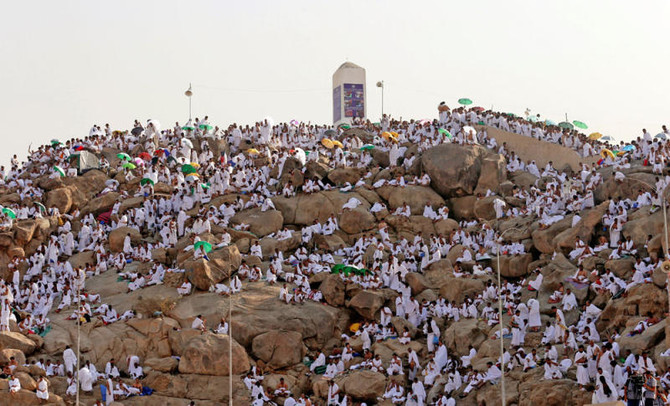
The Day of Arafah (Yawm Arafah) is the 9th day of the Islamic month of Dhu al-Hijjah and one of the most significant days in the Islamic calendar. It is the day preceding Eid al-Adha and holds great importance for both those performing the Hajj pilgrimage and Muslims around the world. For pilgrims, it is the pinnacle of Hajj, where they gather on the plain of Arafat to stand in prayer and supplication. For non-pilgrims, it is a day of fasting and seeking Allah’s forgiveness and mercy, with fasting on this day believed to expiate the sins of the previous and coming year.
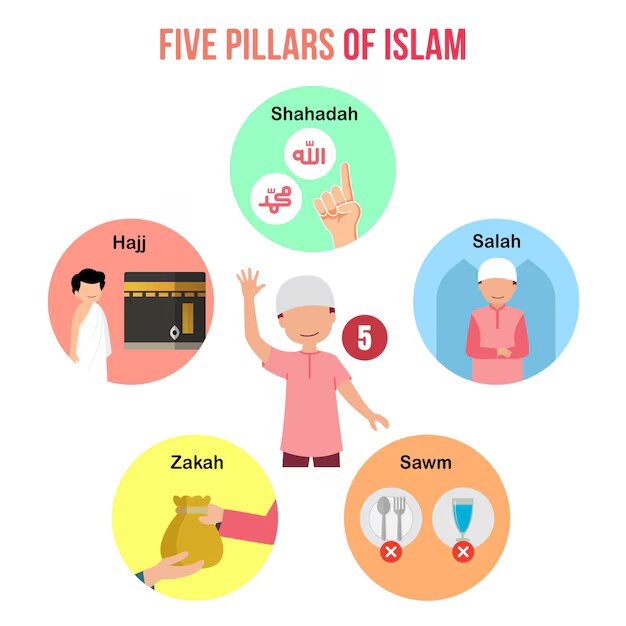
The Five Pillars of Islam are the essential foundation of a Muslim’s faith and practice. These core duties strengthen a Muslim’s daily life, reinforce their connection with Allah, and guide them to live by the teachings of Islam. Observing the Five Pillars allows Muslims to feel a deep sense of faith and unity, values that bring meaning and purpose to their life.
