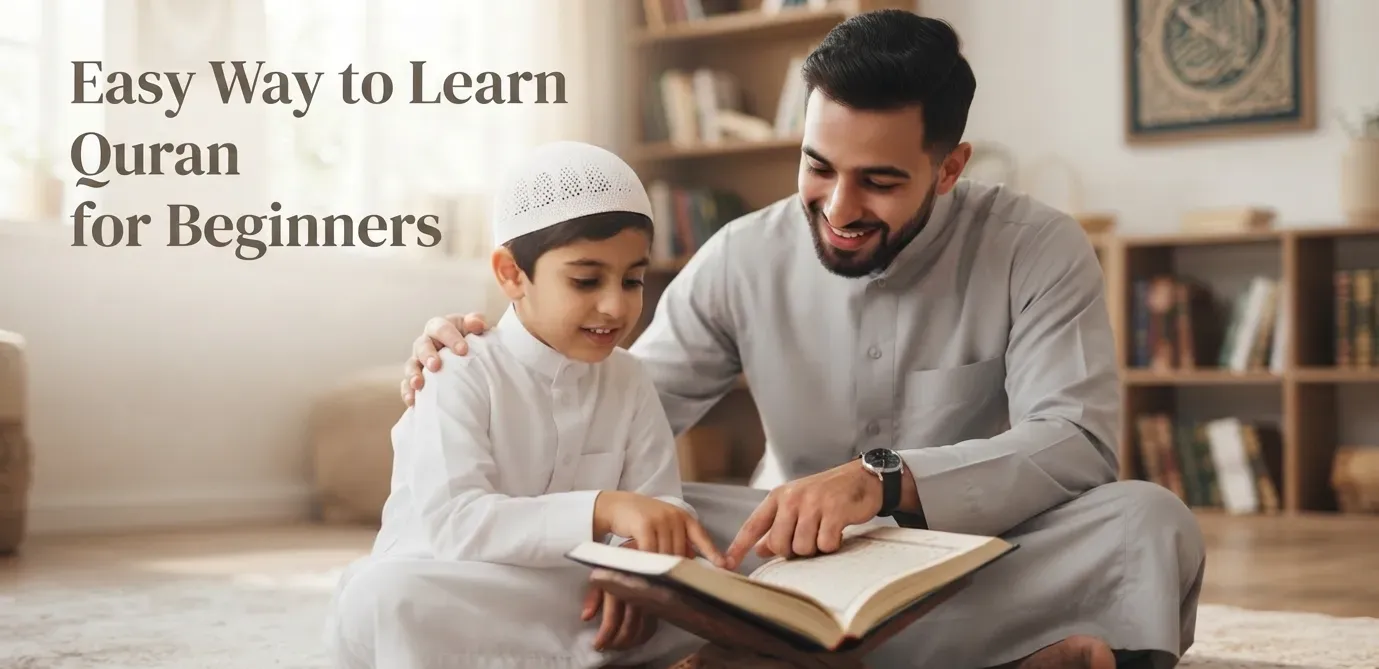
Discover an easy way to learn Quran for beginners with 4 practical steps to improve pronunciation, build strong reading skills, and start your Quran learning journey with confidence.

Discover how to choose the best online Quran classes for kids with qualified teachers, engaging lessons, flexible schedules, and a safe learning environment. This guide helps parents find the right Quran program to support their child’s learning journey

Find the best Quran teacher online and learn how to choose a qualified teacher who matches your goals, level, and learning needs.
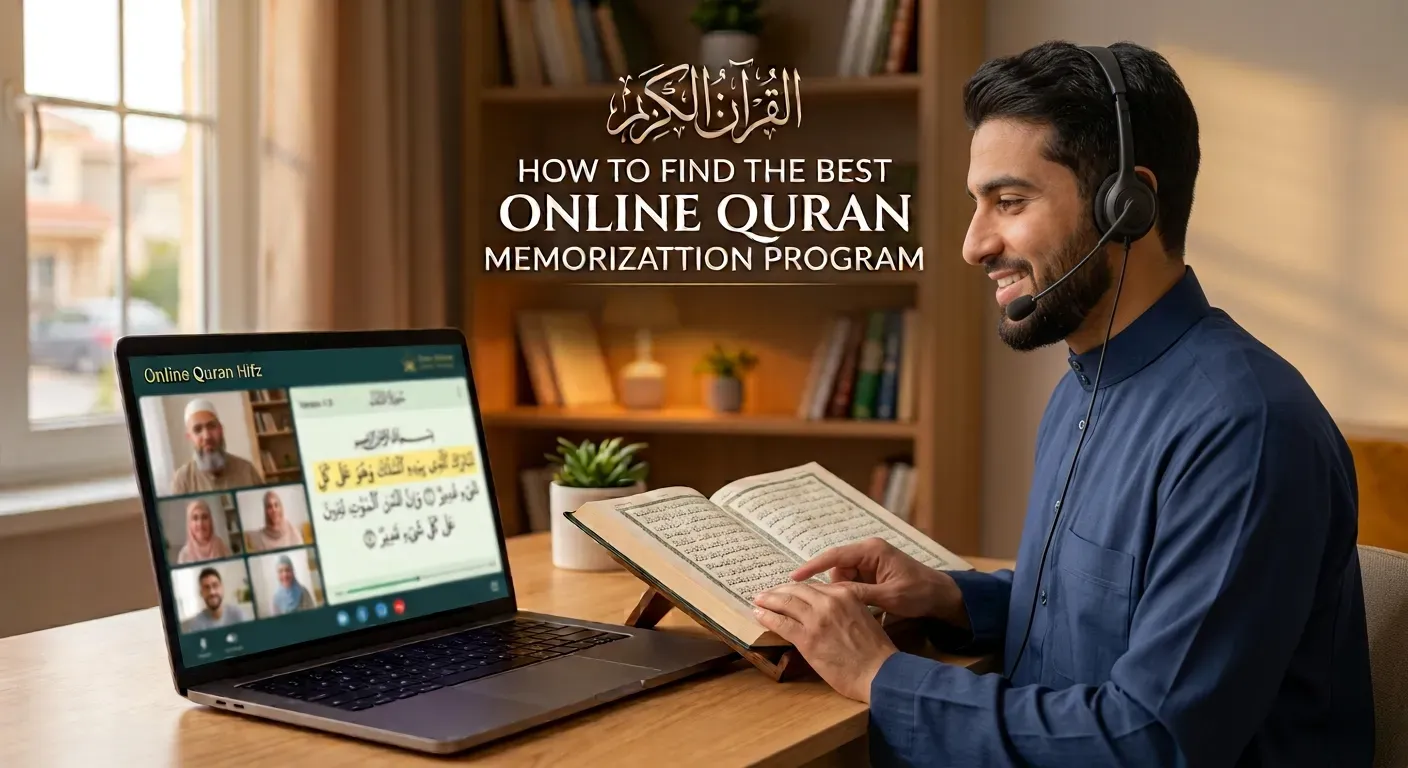
Discover how to choose the right online Quran memorization program and find qualified teachers, effective learning methods, and a flexible approach that helps you memorize and review the Quran consistently from home.

Learn the benefits of learning Quran online with flexible lessons and qualified teachers from home.
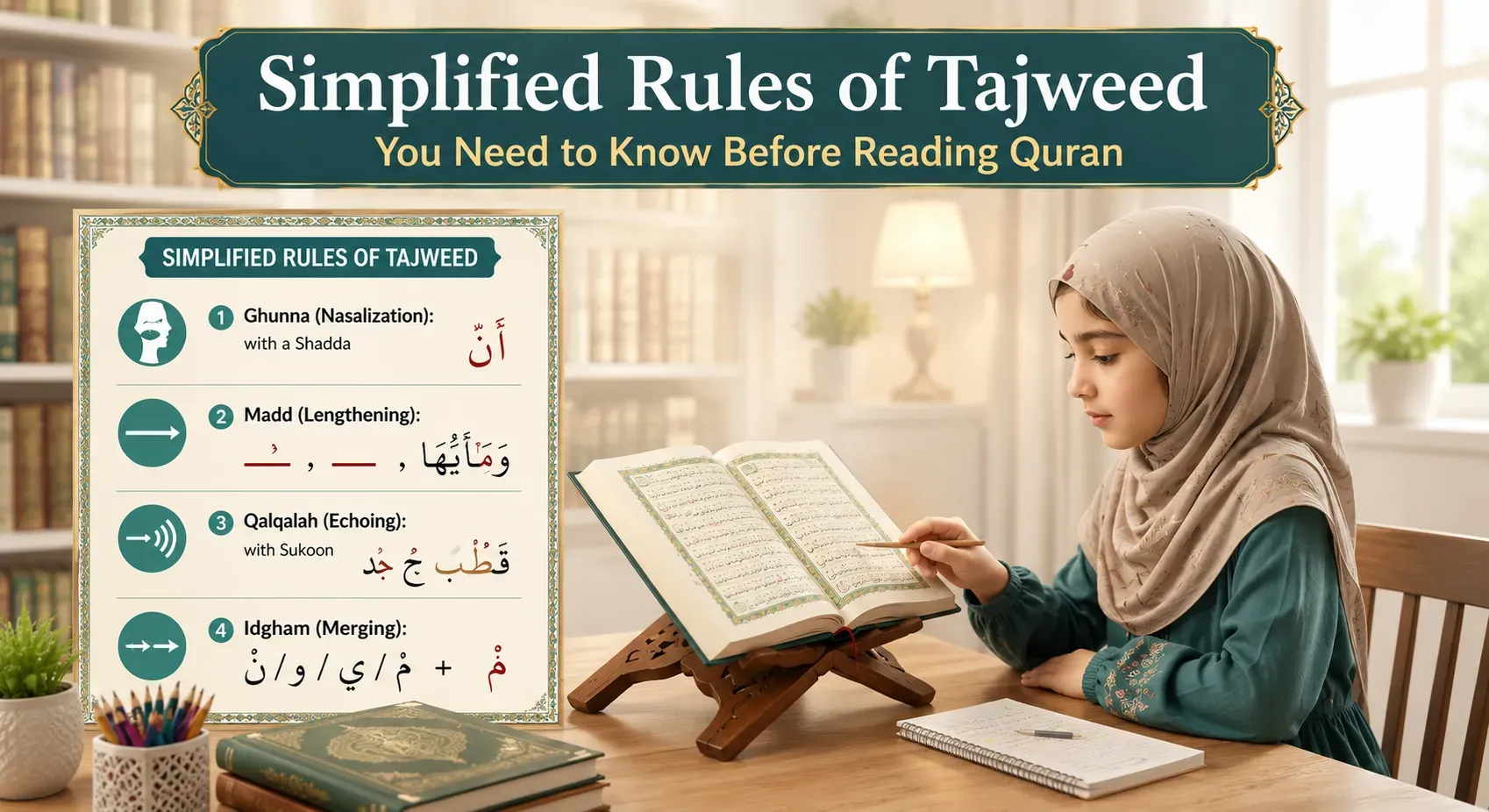
Learn the simplified rules of Tajweed with this beginner-friendly guide, with clear explanations of key concepts to help you read the Quran with proper pronunciation and confidence.
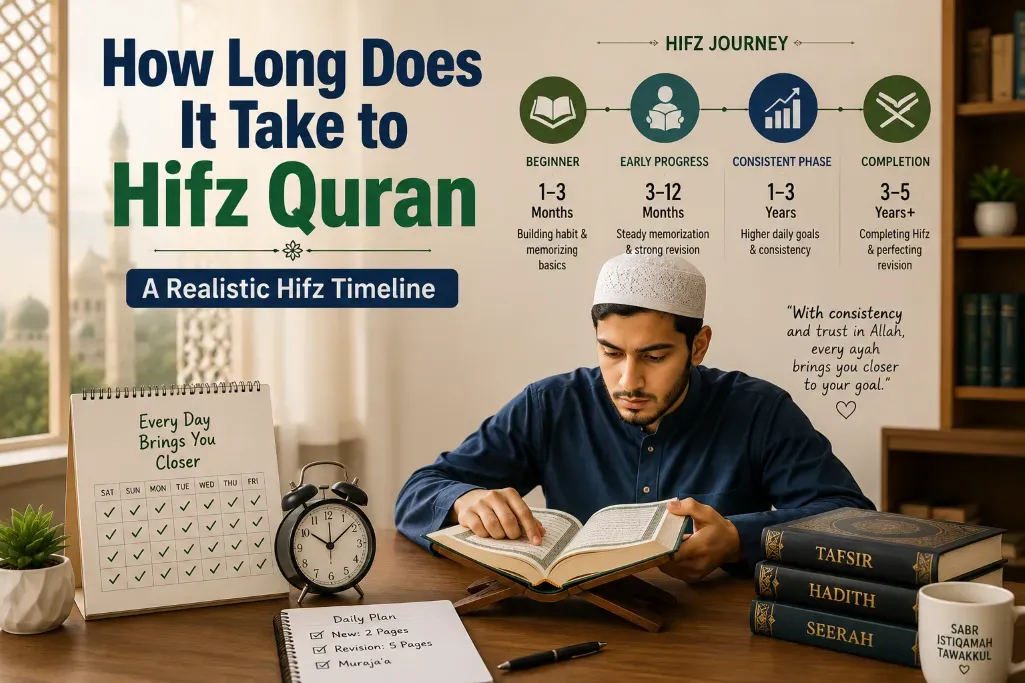
Discover how long it realistically takes to memorize the Quran, what factors affect your Hifz timeline, and how to create a consistent memorization plan that works for your pace and schedule.

Learn the best way to learn Quran online with a practical step-by-step guide.
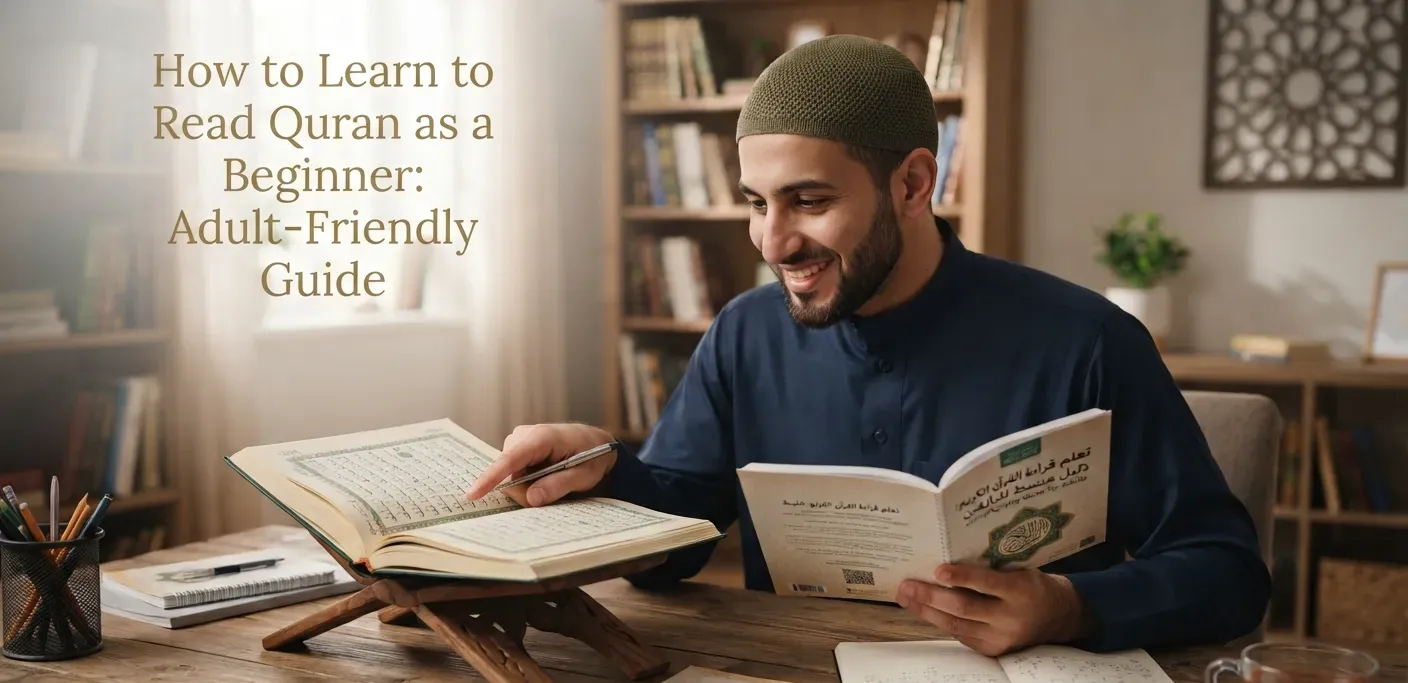
Never learned Quran as a child? Start today with a beginner-friendly path built for adult learners — no experience needed.
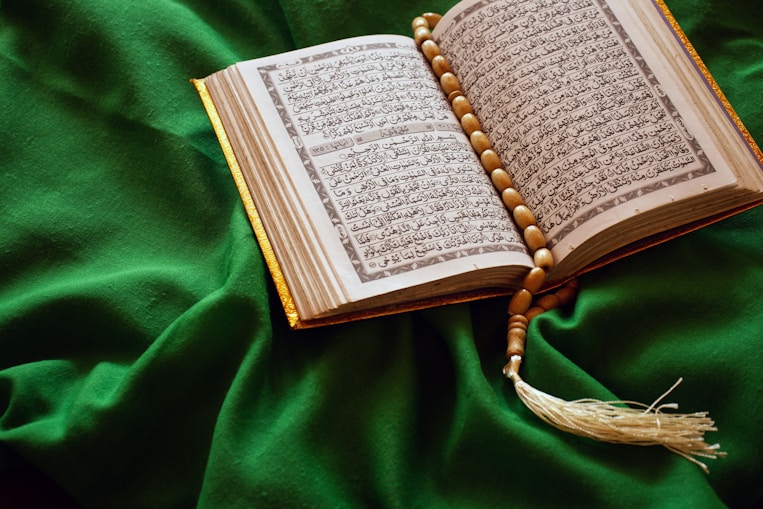
Memorizing the Quran is a deeply rewarding spiritual journey, but it also requires dedication, consistency, and effective strategies. Here are 10 tips to help you in your quest to memorize the Quran.
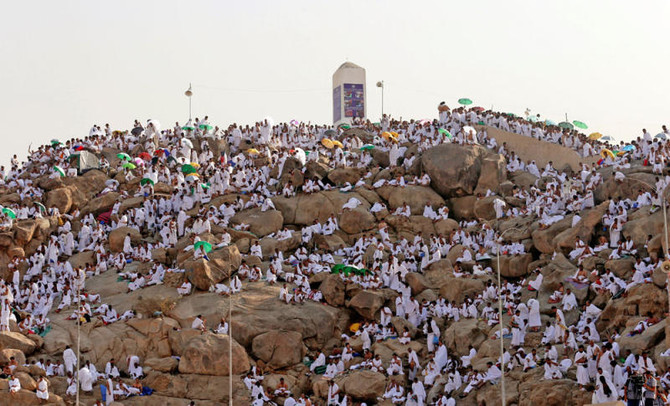
The Day of Arafah (Yawm Arafah) is the 9th day of the Islamic month of Dhu al-Hijjah and one of the most significant days in the Islamic calendar. It is the day preceding Eid al-Adha and holds great importance for both those performing the Hajj pilgrimage and Muslims around the world. For pilgrims, it is the pinnacle of Hajj, where they gather on the plain of Arafat to stand in prayer and supplication. For non-pilgrims, it is a day of fasting and seeking Allah’s forgiveness and mercy, with fasting on this day believed to expiate the sins of the previous and coming year.
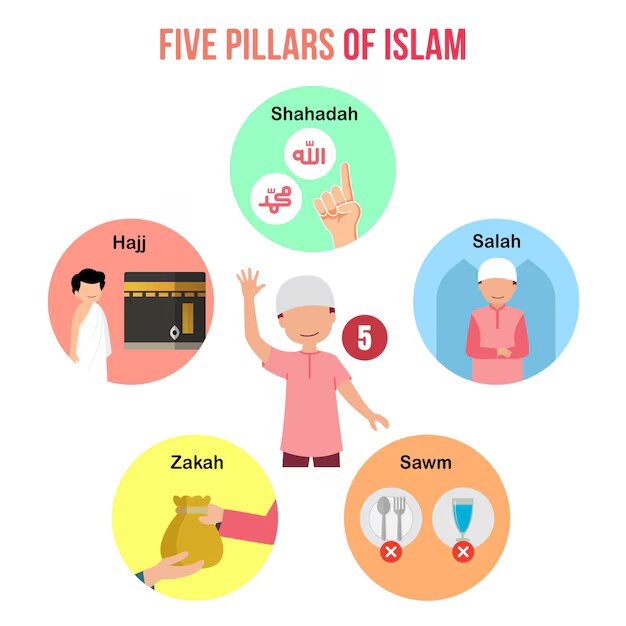
The Five Pillars of Islam are the essential foundation of a Muslim’s faith and practice. These core duties strengthen a Muslim’s daily life, reinforce their connection with Allah, and guide them to live by the teachings of Islam. Observing the Five Pillars allows Muslims to feel a deep sense of faith and unity, values that bring meaning and purpose to their life.
